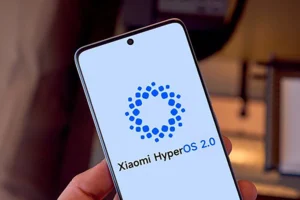
HyperOS 2.0 begins its worldwide launch as Xiaomi moves toward a fully connected smart ecosystem.
HyperOS 2.0 begins: Xiaomi has officially commenced the global rollout of its highly anticipated operating system, HyperOS 2.0, marking a significant stride in its ambition to create a unified, seamless smart ecosystem. This latest iteration is far more than a simple cosmetic update; it represents a fundamental restructuring of Xiaomi’s software architecture, designed specifically to enhance Cross-Device Connectivity and integration across its vast portfolio of products—from smartphones and tablets to smart home appliances and even electric vehicles. The global availability signals Xiaomi’s commitment to delivering a cohesive, high-performance experience to its millions of users worldwide, positioning the brand as a formidable competitor in the interconnected tech landscape.
The Core Goal: Seamless Handoff Across All Xiaomi Devices
The central mandate of HyperOS 2.0 is the achievement of genuine Seamless Handoff. Xiaomi aims to eliminate the friction points traditionally associated with switching between different devices. For instance, a user can now start watching a video on their Xiaomi smartphone and instantly transition the playback to their tablet or smart TV with a single tap, retaining context and progress. Similarly, notifications, calls, and files are managed across the entire ecosystem intelligently. The operating system uses advanced low-latency communication protocols to ensure that all connected devices recognize each other instantly and share resources efficiently. This focus on fluid transitions is vital for boosting user Productivity and streamlining daily digital interactions in a multi-device world.
Performance Overhaul: Optimized Efficiency and Resource Management
Beneath the sleek new user interface, HyperOS 2.0 features a complete Performance overhaul. Xiaomi has implemented sophisticated resource management algorithms optimized for diverse hardware, ensuring consistent speed and efficiency across high-end flagships and budget devices alike. The system is designed to be exceptionally Lightweight and fast, utilizing less memory and storage space compared to its predecessor. This optimization is crucial for extending the lifespan of older devices and ensuring that new products can dedicate more processing power to demanding applications rather than running the operating system itself. The result is a visibly snappier and more responsive user experience across the board.
A Refined User Interface: A Focus on Aesthetics and Customization
The aesthetics of HyperOS 2.0 have received a modern, streamlined refresh. The new User Interface (UI) adopts a cleaner, more Intuitive design language, characterized by smoother animations, new fonts, and refined widgets. Xiaomi has placed a greater emphasis on personalization, providing users with enhanced customization options for the lock screen, control center, and system themes. This redesigned UI is not just about looks; it is engineered for better one-handed use and clearer information hierarchy, making device operation more efficient and visually appealing. The goal is to provide a unified look and feel that remains consistent whether the user is interacting with a 6-inch phone or a 14-inch tablet.
Smart Home Integration: The Hub for IoT Management
A critical component of the HyperOS 2.0 strategy is its deeper integration with the Smart Home ecosystem. The OS effectively transforms Xiaomi smartphones and tablets into a centralized control hub for all connected Internet of Things (IoT) devices. Users can now manage their air purifiers, lights, security cameras, and other smart appliances with greater speed and ease directly from a dedicated, consolidated control panel. Furthermore, the system leverages AI to anticipate user routines, allowing for automated, context-aware actions. For example, the system can automatically adjust lighting and climate when the user arrives home, enhancing the convenience and Automation of the living environment.
Security Enhancements: Protecting the Interconnected Data Stream
As devices become more interconnected, the importance of robust Security measures multiplies. HyperOS 2.0 addresses this by implementing advanced, end-to-end encryption protocols for data transmission between devices. The operating system features enhanced privacy controls, giving users granular control over which applications can access specific permissions and data. By adopting a “defense-in-depth” strategy, Xiaomi ensures that the expanded ecosystem remains protected against emerging threats, safeguarding user data and maintaining Privacy across the complex network of interconnected devices. This commitment to security is paramount for building user trust in a truly unified system.