Samsung Galaxy S26 : Series Sales Timeline Raises New Questions for Buyers
Samsung Galaxy S26: The upcoming Samsung Galaxy S26 series is already generating strong interest among smartphone enthusiasts and industry watchers, even though the official launch is still months away. According to recent leaks and supply-chain discussions, Samsung’s next-generation flagship lineup could follow a slightly different release strategy compared to previous years. Instead of becoming available immediately after launch, the devices may reach retail channels with a noticeable delay. This possibility has sparked debate around production planning, chipset readiness, pricing strategy, and regional availability.
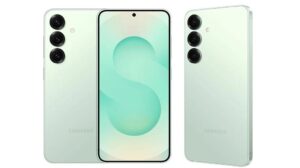
Expected Global Launch Window
Industry insiders suggest that the Samsung Galaxy S26 series is likely to be unveiled globally in early 2026, most likely in February. The lineup is expected to include three models: Galaxy S26, Galaxy S26+, and Galaxy S26 Ultra. This structure closely mirrors Samsung’s recent flagship strategy, which focuses on offering tiered options to address different user needs and budgets.
While Samsung has not officially confirmed the launch schedule, the February timeframe aligns with the company’s long-standing tradition of introducing its premium Galaxy S devices at the start of the year. However, what stands out this time is not the launch itself, but what may follow after the announcement.
Possible Delay Between Launch and Sale
Multiple tipsters claim that the Samsung Galaxy S26 series may not go on sale until March 2026, nearly a month after its official unveiling. If this information proves accurate, it would represent a noticeable shift from Samsung’s usual approach, where devices typically hit stores within days or weeks of launch.
Such a delay could be linked to supply chain optimization, regional chipset allocation, or efforts to stabilize initial production volumes. A longer gap between announcement and availability may also help Samsung better manage global demand and avoid shortages that have affected previous flagship launches.
New Chipset Strategy and Regional Variants
One of the most talked-about aspects of the Samsung Galaxy S26 series is its processing hardware. Samsung has recently introduced its Exynos 2600 chipset, which is built using a cutting-edge 2nm manufacturing process. This processor is expected to power the Galaxy S26 lineup in select markets, continuing Samsung’s dual-chip strategy.
In other regions, the devices are rumored to rely on Qualcomm’s Snapdragon 8 Elite Gen 5 chipset, which is based on a 3nm process. This regional split allows Samsung to balance performance, cost efficiency, and supply reliability while catering to different market preferences.
Performance and Efficiency Improvements
The Exynos 2600 chipset is said to utilize advanced Gate-All-Around transistor technology, integrating the CPU, GPU, and NPU into a compact and efficient platform. This design is expected to deliver improved overall performance, better power efficiency, and stronger support for modern computing tasks such as gaming, multitasking, and intelligent on-device processing.
For users, this could translate into smoother daily performance, longer battery life, and better thermal management. Samsung’s focus on chipset innovation suggests that raw performance and efficiency are key priorities for the Galaxy S26 generation.
Camera Hardware May Remain Unchanged
Despite anticipated gains in performance, reports indicate that the camera hardware on the standard Galaxy S26 may not see significant upgrades compared to its predecessor. The device is rumored to retain a camera setup similar to the Galaxy S25, a decision that appears to be driven by rising component costs.
Industry analysts point out that advanced camera sensors and optical systems have become increasingly expensive. To maintain competitive pricing, Samsung may have opted to focus on software optimization and image processing rather than introducing entirely new camera hardware across all models.
Pricing Concerns and Manufacturing Costs
Another important factor influencing the Galaxy S26 series is cost. Reports citing industry sources suggest that the new lineup could be priced higher than the previous generation. Samsung is said to be allocating a substantial portion of its budget to secure chipsets, memory components, and other critical parts amid global supply fluctuations.
By limiting hardware upgrades in certain areas, Samsung may be attempting to offset these increased costs while keeping prices within an acceptable range for consumers. This balancing act highlights the challenges smartphone manufacturers face in delivering innovation without significantly raising retail prices.
What This Means for Consumers
If the Samsung Galaxy S26 series does go on sale a month after its launch, buyers may need to adjust their expectations and purchasing plans. Early adopters might experience a longer wait, while others could benefit from a more stable supply and potentially improved availability across regions.
Overall, the Galaxy S26 series appears to focus on performance efficiency, next-generation chipset technology, and strategic cost management. As more official details emerge, consumers will gain a clearer picture of whether the delayed sales timeline and selective hardware upgrades align with their expectations for a premium flagship smartphone.