Tata Avinya : Signals a Strategic Shift Toward Premium Electric Mobility in India
Tata Motors: is preparing to redefine its electric mobility strategy with the planned debut of Tata Avinya by the end of 2026. This upcoming model will be the company’s first offering positioned squarely in the premium electric vehicle segment. Unlike Tata’s current EVs, which largely focus on mass-market accessibility, Avinya is envisioned as a high-end product with its own identity, philosophy, and customer experience. The launch represents a significant step upward in terms of technology, design sophistication, and brand perception within the evolving electric vehicle ecosystem.
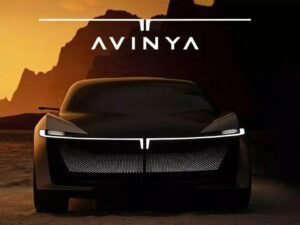
A New Premium Electric Brand Identity
Avinya is not just another electric car added to Tata’s existing lineup. It is being developed as a standalone premium sub-brand that will operate independently from the company’s mainstream electric offerings. This strategic separation allows Tata to experiment with advanced technologies, higher-quality materials, and exclusive ownership models without being constrained by mass-market expectations. The Avinya nameplate is expected to symbolize innovation, modern luxury, and forward-looking mobility, appealing to customers who seek refinement, sustainability, and digital integration in a single package.
Gen 3 Born-Electric Platform Foundation
At the core of the Avinya project lies Tata Motors’ all-new Gen 3 born-electric skateboard platform. This architecture has been engineered exclusively for electric vehicles, offering a flat-floor layout and optimized battery placement. Such a design enables better space utilization, improved structural efficiency, and greater flexibility in vehicle proportions. Compared to adapted internal combustion platforms, the Gen 3 base allows Tata to create larger, more sophisticated vehicles with enhanced comfort and practicality, qualities that are essential in the premium electric segment.
Focus on Range, Charging, and Software Integration
The Gen 3 platform is being developed with an emphasis on long driving range, high-speed fast charging capability, and deep software integration. These elements are critical for premium electric vehicles, where convenience and seamless technology play a major role in purchase decisions. Advanced electrical architecture will allow over-the-air updates, intelligent energy management, and connected vehicle features that enhance both safety and user experience. This software-first approach positions Avinya as a technology-driven product rather than just a mechanical upgrade.
Interior Philosophy and Design Direction
Based on earlier concept showcases, Avinya is expected to break away from traditional SUV or MPV design conventions. The cabin is likely to adopt a minimalist, lounge-inspired layout focused on openness and tranquility. A clean dashboard design, reduced visual clutter, and the use of sustainable materials are expected to define the interior character. Instead of aggressive styling or performance-centric cues, the emphasis will be on passenger comfort, ambient lighting, and intuitive controls, reflecting a shift toward human-centric design thinking.
A Differentiated Sales and Ownership Experience
Another defining aspect of Avinya will be the way it is sold and serviced. Tata Motors plans to create a dedicated sales and service ecosystem for this premium brand. The company is expected to adopt a phygital retail model, combining physical experience centers with digital engagement platforms. This approach aims to offer personalized interactions, transparent purchase journeys, and seamless after-sales support, ensuring that Avinya customers receive an ownership experience aligned with premium global standards.
Role in Tata Motors’ Long-Term EV Roadmap
The Avinya launch is a key milestone in Tata Motors’ broader electric vehicle roadmap, which includes five new electric nameplates planned by FY2030. The rollout will begin in early 2026 with the Sierra.ev and an updated Punch.ev, followed by Avinya later the same year. Between FY2027 and FY2030, three additional electric models are scheduled for introduction, some of which are expected to build upon the Avinya brand philosophy and platform.
Strong Mass-Market Foundation Supporting the Premium Push
Tata’s move into the premium EV segment is supported by its strong performance in the mass market. The company has already crossed 250,000 cumulative electric vehicle sales in India. Models such as the Nexon.ev, which became the first electric car in the country to exceed 100,000 units, have established Tata as a leader in electric mobility. Its existing portfolio, including the Tiago.ev, Punch.ev, Curvv.ev, and Harrier.ev, provides both scale and financial stability to support premium innovation.
Charging Infrastructure as a Critical Enabler
Charging infrastructure will play a vital role in Avinya’s success. Tata Motors has outlined plans to expand its charging ecosystem to one million charging points by 2030, including around 100,000 public chargers. This widespread network is intended to ensure reliable and fast charging access across major cities and highways, addressing one of the key concerns for premium electric vehicle buyers and reinforcing confidence in long-distance usability.
Laying the Groundwork for a Premium Electric Future
With Avinya, Tata Motors is not merely launching a new electric vehicle; it is laying the foundation for a new premium electric identity. By combining advanced platform engineering, thoughtful design, software-driven functionality, and a differentiated ownership experience, Avinya represents Tata’s vision for the next phase of electric mobility. As the Indian EV market matures, this move positions Tata Motors to compete not only on volume, but also on innovation, quality, and brand aspiration.