Samsung – Company Explores AI Tools to Personalise Galaxy Apps and Interface
Samsung – Samsung is reportedly exploring a new approach that could allow Galaxy smartphone users to customise apps and system features with the help of artificial intelligence. The South Korean technology company is said to be studying the idea of introducing tools based on what is increasingly called “vibe coding,” a concept where AI assists users in creating or modifying software without requiring deep programming knowledge.
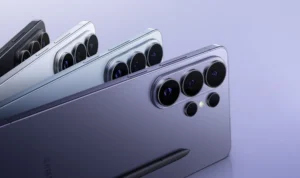
While the feature is still under consideration, early discussions suggest it could significantly expand how people interact with their smartphones, allowing them to tailor both applications and interface elements according to their preferences.
AI Tools Could Enable Deeper Smartphone Personalisation
According to reports, Samsung executives have expressed interest in integrating AI-powered coding assistance directly into Galaxy devices. If implemented, these tools could allow users to make changes to first-party apps and even adjust certain aspects of the phone’s user interface.
Won-Joon Choi, President and Chief Operating Officer of Samsung’s Mobile eXperience Business, reportedly indicated that the company finds the idea compelling. He suggested that such technology could open new possibilities for smartphone personalisation beyond the options currently available through standard settings.
Today, most smartphone users rely on pre-built applications that allow only limited changes such as themes, widgets, or layout adjustments. AI-assisted coding tools could expand those possibilities by enabling users to modify how apps function or appear, all without requiring traditional programming skills.
How “Vibe Coding” Could Work on Smartphones
The concept of vibe coding has gained traction recently within the artificial intelligence industry. It generally refers to using advanced language models to generate, modify, test, and deploy software code. Instead of manually writing complex instructions, users can describe what they want the software to do, and the AI generates the necessary code.
If Samsung adopts this technology, Galaxy users might be able to create small app features, automate device functions, or modify interface behaviour simply by giving instructions in natural language.
For example, a user might ask the phone to adjust an app layout, automate certain daily actions, or customise how notifications appear. The AI system would then interpret the request and produce the underlying code needed to make those changes.
However, the reported plan does not suggest turning smartphones into full software development platforms. Instead, the tools would likely focus on lightweight customisation and automation rather than complex coding projects.
Part of Samsung’s Broader AI Strategy
The exploration of vibe coding tools aligns with Samsung’s broader push to integrate artificial intelligence into its mobile ecosystem. The company has recently introduced several new AI-driven capabilities across its latest Galaxy devices.
Among these features is Now Nudge, which uses screen context to provide suggestions and shortcuts based on what the user is doing. Another capability, Agentic Task Execution, can carry out multi-step actions across different apps automatically.
Samsung has also introduced Photo Assist Suite, allowing users to edit images using simple text instructions, and Creative Studio, which can convert sketches, photos, or written prompts into visual content such as wallpapers, invitations, and stickers.
These additions demonstrate the company’s growing focus on AI-powered convenience and creative tools.
Development Timeline Still Unclear
Despite the growing interest, Samsung has not confirmed when or if vibe coding tools will be introduced to Galaxy smartphones. The technology is reportedly still in an exploratory phase, and there has been no official announcement regarding development timelines or rollout plans.
Industry observers note that integrating such tools into consumer devices would require careful design to ensure reliability, security, and ease of use.
If Samsung moves forward with the idea, it could mark a shift toward more user-driven smartphone experiences, where AI enables people to shape how their devices work rather than relying solely on predefined features.
For now, the concept remains under consideration, but it highlights how artificial intelligence may continue to transform the way smartphones are used and personalised in the coming years.