BankLockers – Access Challenges Rise as Demand Outpaces Supply in India
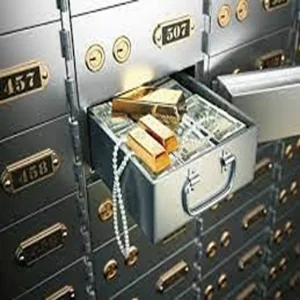
BankLockers – Getting access to a bank locker is no longer as straightforward as it once was. Across many branches, customers are being informed about long waiting lists, often without any clear indication of when a locker might be available. This shift has raised concerns among individuals who rely on bank lockers to store jewellery, documents, and other valuable belongings.
Growing Demand and Limited Availability
The shortage of lockers is largely driven by a sharp rise in demand combined with limited expansion by banks. As household incomes have increased over time, so has the tendency to invest in gold and other physical assets. This has naturally led to a surge in the need for secure storage facilities.
At the same time, banks have not kept pace with this growing demand. The gap between supply and requirement has widened significantly, making lockers a scarce resource in many urban and semi-urban areas.
Why Banks Are Not Expanding Locker Facilities
Unlike traditional banking services such as loans or deposits, lockers do not generate significant revenue for banks. As a result, financial institutions often prioritise more profitable services over expanding locker infrastructure.
Setting up locker systems also involves high costs. Banks must invest in secure vaults, surveillance systems, and additional space within branches. In cities where property prices are high, dedicating space for lockers becomes even less feasible. These factors collectively discourage banks from increasing locker capacity.
Regulatory Changes Add to Costs
Recent regulatory updates have made locker services safer but also more complex to operate. New guidelines require banks to implement enhanced security measures such as biometric access, continuous CCTV monitoring, and real-time alerts to customers whenever a locker is accessed.
Additionally, banks must maintain transparent waiting lists, clearly display locker availability, and update their systems regularly. While these changes strengthen customer protection, they also increase operational costs, further limiting expansion efforts.
Concerns Over Fair Allocation
There is a perception among customers that lockers are sometimes easier to obtain for individuals who maintain strong financial relationships with banks. While such practices are not officially permitted, informal preferences may exist in certain cases.
Regulations clearly state that locker allotment cannot be linked to the purchase of financial products. Banks are only allowed to collect a fixed deposit equivalent to a limited period of rent as a security measure. Despite this, concerns about fairness continue to be raised by customers.
A Service Becoming Less Accessible
With limited availability and rising rental costs, bank lockers are gradually becoming harder to access for a large section of the population. This trend is particularly affecting middle- and lower-income groups, who may find it difficult to secure a locker when needed.
The changing dynamics suggest that lockers, once considered a standard banking facility, are increasingly becoming a selective service. Access may depend not only on availability but also on customer relationships and branch-level factors.
Exploring Alternatives Outside Banks
As traditional options become scarce, many individuals are turning to private locker providers. Several companies now offer modern storage solutions with advanced security systems and round-the-clock access. These facilities are designed to provide convenience along with enhanced protection.
Private lockers often feature biometric authentication, automated systems, and extended operating hours. For customers unable to secure a bank locker, these alternatives are becoming an increasingly practical option.
Comparing Private and Bank Lockers
While private facilities offer convenience and quicker access, they operate differently from bank-managed lockers. Banks function under strict regulatory oversight, ensuring a standard level of accountability and defined compensation policies.
Private providers, on the other hand, may not always offer the same level of institutional backing. Customers are advised to carefully review terms and conditions before opting for such services.
Higher Costs and the Need for Insurance
One notable drawback of private lockers is their cost. These services are generally more expensive due to investments in advanced security infrastructure and the convenience of immediate availability.
Experts also recommend taking independent insurance when using private lockers. Since the liability of service providers may be limited under rental agreements, insurance remains essential to ensure financial protection in case of loss or damage.
A Changing Landscape for Safe Storage
The current shortage of bank lockers reflects a broader transformation in the system. What was once a widely accessible facility is now becoming more regulated and limited in availability.
As demand continues to rise, customers may need to explore alternative solutions while weighing factors such as cost, security, and convenience. The question is no longer just about keeping valuables safe—but also about finding a reliable place to store them.