AutoMarket – Renault Duster 2026 Sets New Benchmark in Mid-Size SUVs
AutoMarket – The mid-size SUV segment is witnessing renewed excitement with the comeback of the Renault Duster, a name that once enjoyed strong popularity among Indian buyers. In a space largely led by the Hyundai Creta, with competitors like the Volkswagen Taigun and Skoda Kushaq catering to driving enthusiasts, the 2026 Duster has entered the conversation with a compelling proposition. Early impressions suggest that Renault may have crafted a product that challenges established preferences in this highly competitive category.
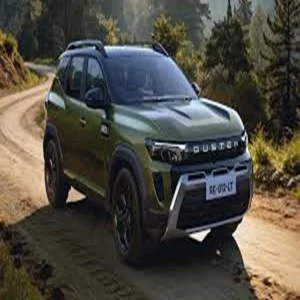
Improved Driving Dynamics Take Center Stage
One of the most noticeable improvements in the new Duster lies in its driving characteristics. The earlier model was known for its balanced ride, but the 2026 version builds on that foundation with significant engineering upgrades. Renault has equipped the SUV with a robust anti-roll bar setup, including a thicker unit at the front and an additional one at the rear. This configuration plays a crucial role in minimizing body movement during cornering.
The company has also fine-tuned the suspension and braking systems through extensive testing, including sessions at a professional racing circuit in Chennai. These refinements translate into a more stable and confident driving experience. Despite its SUV dimensions, the Duster feels composed even during spirited driving, offering a level of agility that may appeal to enthusiasts.
Strong Engine Performance Enhances Appeal
Performance remains a key highlight of the 2026 Duster. The SUV is powered by a 1.3-litre turbocharged petrol engine that delivers 163 horsepower and 268 Nm of torque. These figures position it as one of the most powerful offerings in its segment, giving it a clear advantage over several rivals.
Buyers have the flexibility to choose between a six-speed manual gearbox and a seven-speed dual-clutch automatic transmission. Notably, the automatic variant uses a wet-clutch system, which is generally preferred for its ability to handle heat better and provide smoother gear shifts. This setup not only improves performance but also contributes to a more refined driving experience, especially in urban traffic conditions.
Advanced Technology with Built-In Google Features
Technology has become a critical factor in modern vehicles, and Renault has addressed this aspect effectively in the new Duster. The SUV comes integrated with Google-based services, offering built-in navigation, voice assistance, and connected car features.
Drivers can access real-time maps, use voice commands through Google Assistant, and benefit from over-the-air software updates. These features enhance convenience, particularly for those navigating busy city roads or unfamiliar routes. The integration ensures that the Duster remains relevant in an increasingly digital automotive landscape.
Competitive Positioning in a Crowded Segment
The mid-size SUV market is known for strong contenders that emphasize driving engagement and premium features. Models like the Taigun, Kushaq, and Creta N Line have built a reputation among buyers looking for performance-oriented vehicles. However, the new Duster appears to combine multiple strengths into a single package.
Its improved handling, powerful engine, and upgraded technology create a well-rounded offering. Rather than focusing on a single aspect, Renault has aimed to deliver a balanced product that caters to both enthusiasts and everyday users.
A Strong Contender for Buyers’ Attention
With its latest iteration, the Renault Duster repositions itself as more than just a familiar name returning to the market. It brings meaningful upgrades that align with current buyer expectations. The combination of performance, driving confidence, and modern technology makes it a serious option for those considering a mid-size SUV.
As competition continues to intensify, the 2026 Duster’s overall package could influence buying decisions, especially among customers seeking a blend of practicality and engaging driving dynamics.