Sedans – India’s Mid-Size Sedan Segment Shows Renewed Momentum in 2026
Sedans – For a category that has gradually slipped out of the spotlight over the past decade, 2026 is turning into a notably positive year for mass-market sedans in India. While sport utility vehicles continue to dominate both consumer interest and dealership floors, the traditional sedan segment is quietly demonstrating that it still holds relevance in a changing market.
Changing Market Dynamics but Stable Demand
The overall shift toward SUVs remains undeniable. Carmakers have increasingly prioritized high-riding vehicles, leaving sedans with reduced visibility. The exit of familiar models from the market has further strengthened the perception that this body style is fading. However, the current year suggests that this narrative may not fully reflect reality.
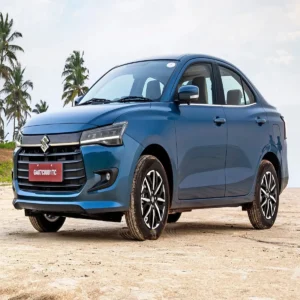
Sales data from the compact sedan category paints a more balanced picture. One standout performer has delivered impressive volumes, emerging as the country’s top-selling car for the financial year with around 2.3 lakh units sold. This performance underlines a key point: affordability, fuel efficiency, and practicality continue to influence buying decisions. Rather than disappearing, sedans appear to be adapting to a more focused role.
Coordinated Product Updates Across the Segment
After a relatively subdued period last year, 2026 is witnessing a synchronized effort from leading manufacturers to refresh their offerings. Four major players in the mid-size sedan space are introducing updates, signaling a rare moment of collective investment in the segment.
These updates are not entirely new models but rather significant mid-cycle revisions. Even so, the timing and scale of these changes indicate that automakers still see value in maintaining a competitive presence in this category.
Hyundai Leads with Early Launch
The first major update this year came from Hyundai, which introduced a revised version of its sedan in March. The latest iteration includes more than 25 improvements covering design, technology, comfort, and safety.
The car retains its wide stance and spacious cabin, while offering two petrol engine options. The turbocharged 1.5-litre unit remains a highlight, delivering strong performance figures that make it one of the most powerful options in its class. At the same time, a naturally aspirated engine continues to cater to buyers seeking efficiency and everyday usability.
Honda Focuses on Technology and Hybrid Strength
Honda is preparing to follow with an updated version of its well-established sedan, scheduled for release later in May. This marks the second major refresh for the current generation.
While exterior changes are expected to be subtle, the emphasis is likely to be on enhancing in-car technology and feature offerings. The mechanical setup is expected to remain unchanged, including the petrol engine and the hybrid variant. The hybrid option continues to stand out in a segment where electrification is still developing, offering an alternative for environmentally conscious buyers.
Skoda and Volkswagen Prepare Their Revisions
Further updates are also in progress from Skoda and Volkswagen, both of which share a common platform for their sedans. Early test sightings suggest that Skoda’s upcoming facelift will introduce refined design elements, particularly at the front, along with possible improvements to interior features.
Volkswagen is expected to adopt a similar update strategy. One potential change could involve the addition of a new automatic transmission option for its smaller engine variant, aligning it with recent updates seen in the brand’s SUV lineup.
A Moment of Opportunity Amid Long-Term Uncertainty
What makes this year stand out is not just individual product improvements, but the broader momentum across the segment. For the first time in several years, all key manufacturers are actively working to keep their sedan offerings competitive.
At the same time, there is a clear limitation to this resurgence. There are no entirely new sedan models expected in the near future, as manufacturers continue to prioritize SUVs, crossovers, and electric vehicles. This suggests that while 2026 may represent a high point for refreshed sedans, it could also mark a transitional phase before industry focus shifts further.
Even without a dramatic comeback, the current developments show that sedans in India are far from irrelevant. They continue to serve a distinct group of buyers who value comfort, efficiency, and balanced performance.