Rupee – Indian Currency Slides to Fresh Record Low Amid Global Pressure
Rupee – The Indian rupee extended its decline on Wednesday, touching a historic low of 96.88 against the US dollar as global financial pressures intensified and investors moved cautiously toward safer assets.
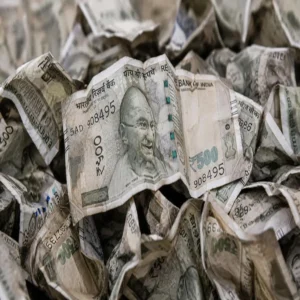
The fall in the domestic currency reflected growing nervousness across international markets, especially after a sharp rise in US Treasury yields and continued strength in crude oil prices. Market participants are increasingly concerned that global interest rates may remain elevated for a longer period, reducing investor appetite for emerging-market economies such as India.
Rising US Bond Yields Strengthen the Dollar
A major factor behind the rupee’s weakness has been the continued rise in US government bond yields. The yield on the 30-year US Treasury bond climbed to 5.18%, nearing levels last witnessed before the 2008 financial crisis. Investors revised their expectations around US monetary policy after inflation in the United States remained stubbornly high amid ongoing geopolitical tensions related to Iran.
Higher Treasury yields generally increase the attractiveness of dollar-based investments, leading global investors to shift funds toward the US market. This movement strengthened the dollar index further and created additional pressure on currencies across developing nations, including the Indian rupee.
Crude Oil Prices Add to India’s Economic Concerns
Brent crude prices remained above $110 per barrel, creating fresh worries for India’s economy. Since the country imports a large share of its oil requirements, rising crude prices increase the demand for dollars and widen the import bill.
Economists believe expensive oil could also push inflation higher by increasing transportation and manufacturing costs. A prolonged rise in energy prices may further affect India’s current account deficit, which tracks the gap between imports and exports.
Currency traders said sustained demand for dollars from oil-importing companies has continued to weigh heavily on the rupee in recent trading sessions.
Importer Demand and Global Sentiment Weigh on Rupee
The rupee had already shown signs of weakness in the previous session, slipping to an intraday low of 96.61 before closing at 96.54. Analysts noted that pressure from importers buying dollars, combined with weakness across Asian currencies, accelerated the decline.
Market experts pointed out that investor sentiment toward emerging markets has weakened significantly as uncertainty surrounding global growth and interest rates persists. Foreign investors have become more selective, reducing exposure to risk-sensitive assets and increasing allocations to safer instruments.
Rajesh Palviya, Head of Research at Axis Direct, said the persistent rise in US bond yields has supported the dollar and pushed the rupee to fresh record lows against the greenback. He added that broader emerging-market currencies are also facing pressure under the current global conditions.
Inflation Risks Could Increase Further
Financial analysts warned that a weaker rupee may increase imported inflation risks for India in the coming months. A falling domestic currency makes overseas purchases costlier, affecting products such as fuel, electronic goods, machinery and industrial inputs.
Businesses dependent on imported raw materials could face rising operational costs, which may eventually impact consumer prices as well. Economists are closely monitoring whether the currency weakness becomes prolonged enough to influence monetary policy decisions in the future.
RBI Expected to Monitor Volatility Closely
Market participants expect the Reserve Bank of India to remain active in the foreign exchange market to limit excessive volatility and prevent sudden disorderly movements in the currency. The central bank has previously intervened during periods of sharp fluctuations by selling dollars from its reserves.
However, analysts believe global developments will continue to play a dominant role in determining the rupee’s direction in the near term. Elevated US yields, high oil prices and persistent dollar strength are expected to keep pressure on the Indian currency unless broader international market conditions improve