AutoIndustry – Tata Motors Prepares India Launch of First Flex-Fuel Car
AutoIndustry – Tata Motors Passenger Vehicles is preparing to introduce its first flex-fuel model in the Indian market, with the launch expected either by the end of 2026 or during the early months of 2027. The development aligns with the central government’s broader push toward increasing ethanol content in petrol as part of its long-term fuel diversification strategy.
Government Push Encourages Flex-Fuel Expansion
The company’s Managing Director and Chief Executive Officer, Shailesh Chandra, said recent government notifications are aimed at formally defining and regulating flex-fuel vehicles capable of operating on multiple ethanol blend levels. According to him, discussions related to adopting higher ethanol percentages in fuel are continuing between automobile manufacturers and government authorities through the Society of Indian Automobile Manufacturers (SIAM).
India has been steadily expanding its ethanol-blending program to reduce dependence on imported crude oil and encourage the use of cleaner fuel alternatives. Authorities are now considering fuel blends beyond E20, including higher concentrations such as E85 and eventually E100.
Tata Motors Strengthens Alternative Fuel Strategy
Tata Motors has already updated its passenger vehicle portfolio to support E20 fuel compatibility since 2023. The automaker has also been actively showcasing technologies linked to sustainable mobility solutions across multiple platforms.
At the Bharat Mobility Global Expo 2025, the company displayed several vehicles based on alternative energy technologies, including electric, compressed natural gas, hydrogen, and flex-fuel systems. The move reflects the manufacturer’s broader strategy to offer different powertrain choices based on changing customer demand and evolving environmental policies.
Punch Flex-Fuel Concept Draws Attention
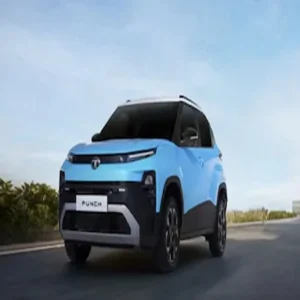
Among the highlights presented by the company was the flex-fuel version of the Tata Punch compact SUV, first revealed at Auto Expo 2025. The concept retained the familiar 1.2-litre naturally aspirated three-cylinder petrol engine used in the standard model, but engineers introduced several technical changes to support ethanol-blended fuels.
These updates included revisions to the electronic control unit, modifications to the fuel injection setup, and adjustments to the exhaust after-treatment system. Such enhancements are necessary because higher ethanol concentrations require components capable of handling different combustion and corrosion characteristics compared to standard petrol.
Popular SUV Could Gain Another Powertrain Choice
The Punch remains one of Tata Motors’ strongest-selling passenger vehicles in India. The model is currently available with petrol, CNG, and electric powertrain options, making it one of the brand’s most versatile offerings.
Adding a flex-fuel version would further expand the SUV’s appeal and strengthen Tata Motors’ multi-energy vehicle strategy. Industry analysts believe manufacturers offering multiple fuel technologies may gain an advantage as consumers gradually shift toward cleaner mobility options without fully abandoning conventional internal combustion vehicles.
Understanding Flex-Fuel Technology
Flex-fuel vehicles are specially engineered automobiles capable of operating on petrol, ethanol, or a combination of both fuels. Ethanol is considered a cleaner-burning biofuel and is commonly produced using agricultural sources such as sugarcane and maize.
Unlike regular petrol-powered vehicles, flex-fuel models use specially designed engine parts, fuel pumps, and injectors that can tolerate higher ethanol content. Ethanol contains more moisture and can be more corrosive than conventional petrol, requiring additional engineering protection.
Currently, most modern vehicles sold in India are compatible with E20 fuel blends, which contain 20 percent ethanol. However, the transition toward blends like E85 will require advanced flex-fuel systems capable of adapting to varying fuel compositions while maintaining performance and efficiency.