ELECTRIC- Mercedes-Benz EQS Facelift Unveiled With Extended Range and Upgrades
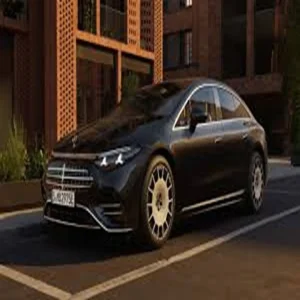
ELECTRIC- Mercedes-Benz has introduced an updated version of its flagship electric sedan, the EQS, bringing a series of notable improvements aimed at enhancing performance, efficiency, and overall driving experience. The refreshed model now claims a WLTP driving range of up to 926 kilometers, placing it among the longest-range electric vehicles currently available worldwide. Alongside the extended range, the facelift includes upgrades to battery technology, charging capability, exterior design, and in-cabin features.
Improved Platform and Battery Performance
One of the most significant changes in the updated EQS is the shift to an 800-volt electrical architecture. This move aligns the model with newer competitors and helps improve both charging efficiency and energy management. Earlier versions used a 400V system, which had begun to lag behind evolving industry standards.
The revised setup supports battery packs of up to 122 kWh, while certain variants continue with a 112 kWh unit. These improvements contribute directly to the increased range figure. Additionally, the sedan now supports DC fast charging of up to 350 kW, allowing it to gain approximately 320 kilometers of range in just 10 minutes under optimal conditions.
Enhanced Driving Dynamics and Efficiency
Mercedes-Benz has also introduced a two-speed gearbox on the rear axle. This addition improves acceleration at lower speeds while maintaining better efficiency during highway driving. Combined with this, the regenerative braking system has been strengthened, now capable of recovering up to 385 kW of energy.
These changes are expected to deliver more practical efficiency in everyday driving scenarios, especially in urban environments where frequent braking can help recharge the battery more effectively.
Refined Exterior Design and Lighting
The facelift addresses earlier criticism regarding the EQS design by aligning it more closely with the brand’s current styling direction. The front section has been reworked with a larger grille-like panel and a cleaner bonnet design, giving the car a stronger and more refined presence on the road.
Updated daytime running lights now incorporate the signature star elements, adding a distinctive visual identity. The improved Digital Light system enhances visibility while also reducing power consumption by around 50 percent, making it both functional and energy-efficient.
Advanced Cabin Technology and Features
Inside, the EQS continues to offer a high-tech environment led by the large MBUX Hyperscreen, which spans across the dashboard. This system integrates three displays beneath a single glass surface and now operates on the latest MB.OS software. The updated interface delivers quicker responses, over-the-air updates, and improved voice assistance powered by artificial intelligence.
Passengers also benefit from rear entertainment screens measuring 13.1 inches, along with additional comfort features such as heated seatbelts and upgraded parking assistance. The vehicle further incorporates predictive air suspension supported by cloud-based data, enhancing ride quality across varying road conditions.
Steer-by-Wire and Improved Maneuverability
A notable addition is the optional steer-by-wire system, which replaces the traditional mechanical connection between the steering wheel and wheels with electronic control. This setup allows for quicker and more precise steering inputs with reduced effort. The use of a yoke-style steering wheel further enhances the modern driving feel.
In combination with this system, rear-wheel steering capability has been significantly improved. The rear wheels can now turn up to 10 degrees, compared to the earlier 4.5 degrees. This upgrade makes tight maneuvers such as parking and U-turns considerably easier. Even without the steer-by-wire option, the enhanced rear steering remains available as a standalone feature.
Overall, the updated Mercedes-Benz EQS reflects a focused effort to strengthen its position in the premium electric vehicle segment by combining longer range, improved efficiency, and advanced technology.