EVStrategy – Honda Cancels Zero Series EV Models Amid Shifting Global Market Pressures
EVStrategy – Honda has announced the cancellation of several upcoming electric vehicle projects, including the Zero Series Saloon, the Zero Series SUV, and the Acura RSX electric model. The decision comes only months before the vehicles were expected to begin production in the United States. The Japanese automaker said the move forms part of a broader restructuring of its global electric vehicle strategy as market conditions continue to change.
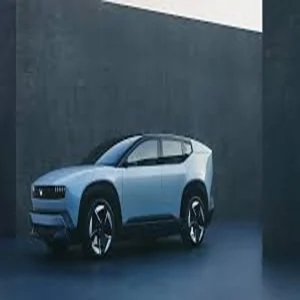
The company acknowledged that the decision may lead to financial losses in the short term, but officials believe the shift is necessary to maintain long-term stability and competitiveness in the evolving automotive industry.

Company cites weakening EV demand and market pressures
In an official statement, Honda explained that current market conditions have made the immediate launch of these electric models increasingly difficult. According to the company, demand for electric vehicles has slowed in several regions, creating uncertainty about near-term sales prospects.
Executives said continuing with production under these circumstances could lead to greater financial risks in the long run. Honda noted that introducing the vehicles in a market where consumer demand is currently softer than expected could result in sustained losses rather than stable growth.
The company therefore chose to halt production plans and reassess its strategy to better align with the realities of the global market.
Rising competition reshaping the electric vehicle landscape
Another major factor influencing Honda’s decision is the rapid growth of new electric vehicle manufacturers, particularly in China. The Chinese market has witnessed an increase in technology-focused car companies that prioritize advanced software capabilities, connectivity, and digital features.
Consumer expectations are shifting toward vehicles that offer integrated software ecosystems, smart interfaces, and digital services. This change has allowed several emerging EV companies to gain market share quickly.
Honda acknowledged that the fast pace of innovation and the increasing number of competitors have made it more difficult for some traditional automakers to maintain strong competitiveness in the electric vehicle segment. The company said the evolving competitive environment has influenced its decision to reconsider certain projects.
Possible shift toward hybrid technology in key markets
Industry reports suggest that Honda may redirect some of its investment toward hybrid vehicle development, particularly in markets such as India where hybrid demand remains relatively strong. By strengthening its hybrid lineup, the company could offer vehicles that combine improved fuel efficiency with lower emissions while avoiding some of the infrastructure challenges faced by fully electric vehicles.
However, other reports indicate that Honda will continue pursuing electric vehicle initiatives in India and other regions, though the pace and structure of those plans may change. The company has not yet provided full details on how its revised strategy will affect specific regional markets.
Honda is expected to outline an updated global roadmap in the near future that will clarify its long-term electrification plans and investment priorities.
Motorcycle business continues to support company performance
While the automotive division faces adjustments, Honda’s motorcycle business continues to perform strongly across several international markets. The two-wheeler segment remains one of the company’s most profitable areas, helping offset challenges in the passenger vehicle division.
Strong sales in the motorcycle category have provided financial stability as Honda navigates the transition toward new vehicle technologies and changing consumer preferences.
Global automakers reassess electrification timelines
Honda’s move reflects a broader trend across the automotive industry. Several major manufacturers are reconsidering their electric vehicle rollout schedules as development costs rise and demand patterns fluctuate.
Earlier, Stellantis reported financial setbacks connected to revisions in its electrification strategy. Ford Motor Company has also acknowledged challenges related to high EV production costs and uncertain market growth.
These developments suggest that many automakers are shifting toward a more balanced approach that combines electric vehicles, hybrid technology, and traditional powertrains while the global transition to fully electric mobility continues to evolve.