Cars Safer : Mandatory AVAS Rule to Make Electric for Pedestrians in India
Cars Safer: Electric vehicles are gaining rapid popularity across India due to their eco-friendly nature, lower running costs, and smooth driving experience in urban traffic. With increasing fuel prices and growing environmental awareness, more consumers are shifting towards electric cars. However, along with these advantages, electric vehicles also present a unique safety challenge that has concerned road safety experts for years. At low speeds, electric cars are almost silent, which makes it difficult for pedestrians to sense their presence. To address this risk, a significant regulatory decision has now been introduced.
New Government Update on Electric Vehicle Safety
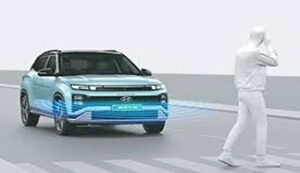
From October onwards, all electric four-wheelers sold in India will be required to produce artificial sound at low speeds. This update has been confirmed by Reji Mathai, Director of the Automotive Research Association of India. The new regulation mandates the installation of an Acoustic Vehicle Alerting System, commonly known as AVAS, in every electric car. The objective is to enhance pedestrian safety, especially in busy urban areas where silent vehicles can easily go unnoticed.
Understanding Acoustic Vehicle Alerting System
AVAS is a safety feature designed specifically for electric vehicles. It generates an artificial sound when the vehicle is moving at low speeds, typically between 0 and 20 kilometers per hour. This is the speed range where electric cars produce minimal noise from tires and road contact. The sound generated by AVAS resembles a mild engine or humming noise, alerting nearby pedestrians without being overly loud. It is particularly useful in parking zones, residential streets, traffic signals, and crowded marketplaces where foot traffic is high.

Why Silent Electric Vehicles Can Be Dangerous
Traditional petrol and diesel vehicles naturally emit engine noise and vibrations, which alert people to their presence even if the vehicle is not directly visible. Electric vehicles lack these auditory cues, making them harder to detect. This becomes especially risky for elderly people, visually impaired individuals, cyclists, and pedestrians who may be distracted by mobile phones or wearing earphones. In such scenarios, the near-silent movement of electric cars increases the chances of accidental collisions.
Possible Expansion to Two-Wheelers and Three-Wheelers
While the current rule applies only to electric four-wheelers, discussions are already underway to introduce similar safety systems for electric two-wheelers and three-wheelers. Authorities are exploring ways to ensure that these vehicles also emit warning sounds without contributing to excessive noise. Electric scooters and e-rickshaws may soon be covered under similar regulations, but for now, the mandatory requirement is limited to electric cars.
Balancing Safety and Noise Pollution
One of the key considerations behind this regulation is maintaining a balance between safety and noise control. Electric vehicles are appreciated for their quiet operation, which reduces overall traffic noise in cities. If artificial sounds are too loud or poorly designed, they could add to urban noise pollution and defeat one of the main benefits of EV adoption. Therefore, AVAS systems are being designed to produce subtle and functional sounds that alert pedestrians without disturbing residential areas or increasing stress levels.
Impact on Electric Vehicle Buyers and Manufacturers
For consumers planning to purchase an electric car after October, this update will not require any additional effort. New electric vehicles will come factory-fitted with AVAS as part of standard safety equipment. For existing EV owners, it is still unclear whether retrofitting will be made compulsory in the future. Manufacturers, however, will need to redesign their models to comply with the new safety norms, ensuring consistency across the market.
A Step Towards Safer Urban Mobility
The introduction of mandatory AVAS marks an important step in making electric mobility safer and more inclusive. As India moves towards cleaner transportation solutions, pedestrian safety remains a critical priority. This regulation ensures that the benefits of electric vehicles do not come at the cost of increased road accidents, making city streets safer for everyone.