The Return of Physical Controls in Cars: Why Buttons Are Becoming Essential Again
The Return of Physical Controls in Cars: For more than a decade, the global automotive industry moved rapidly toward touchscreen-heavy interiors. Digital dashboards, large infotainment displays, and menu-based controls became symbols of modern design and technological advancement. Climate control, audio systems, navigation, and even safety-related functions were increasingly hidden behind layers of software. While this approach looked futuristic, it also introduced new challenges for drivers. From 2026 onward, a major shift is set to redefine how car interiors are designed, with physical buttons once again taking center stage for safety-focused vehicles.
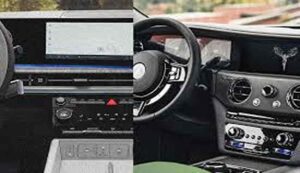
Why Touchscreen Dominance Is Being Questioned
The widespread adoption of touch-based interfaces was driven by cost efficiency, design minimalism, and the ability to update features through software. However, real-world driving conditions revealed a critical flaw. Touchscreens require visual attention. Drivers often need to glance away from the road to locate icons, scroll through menus, or confirm selections. This split-second distraction can significantly increase reaction time during emergencies.
Research and on-road studies have consistently shown that physical controls reduce cognitive load. Buttons, knobs, and stalks allow drivers to rely on muscle memory. Once familiar, these controls can be operated without taking eyes off the road. This fundamental difference is now influencing safety regulations at a global level.

New Safety Direction from Euro NCAP
The turning point comes from Euro NCAP, which plays a crucial role in defining vehicle safety benchmarks across Europe. From January 2026, the organization will link top safety ratings to the availability of physical controls for key driving functions. Manufacturers aiming for a five-star rating will no longer be able to rely entirely on touchscreen-based systems.
This change reflects a growing recognition that digital convenience should not compromise driver awareness. Euro NCAP’s updated protocols emphasize intuitive interaction, faster response times, and reduced distraction behind the wheel.
Mandatory Physical Functions Explained
Under the revised guidelines, several essential vehicle functions must be accessible through tactile controls. These include turn indicators, hazard warning lights, windshield wipers, the horn, and emergency SOS systems. These functions are considered critical because they are often used in high-stress or time-sensitive situations.
The goal is to ensure that drivers can activate these features instantly, even under pressure, without searching through digital menus. By standardizing this requirement, safety authorities hope to reduce accident risk caused by interface-related distractions.
Implementation Timeline and Compliance Targets
The transition back to physical controls will not happen overnight. Euro NCAP has outlined a phased compliance structure to give manufacturers time to adapt. Starting in 2026, vehicles must meet at least 60 percent compliance with the new interface requirements. This threshold will rise to 70 percent in 2027 and reach 80 percent by 2028.
Failing to meet these benchmarks will make it impossible for a vehicle to achieve a five-star safety rating. For automakers, this means revisiting dashboard layouts, reintroducing buttons and dials, and balancing digital innovation with ergonomic design.
Manufacturers Adapting to the Change
Some carmakers have already started responding to this shift. Volkswagen is among those adjusting their design philosophy. Upcoming models inspired by earlier concepts are expected to replace unpopular touch-sensitive sliders with more traditional rotary controls and buttons. The objective is clear: improve usability while maintaining a modern aesthetic.
This approach signals a broader industry realization that customer feedback and safety data cannot be ignored. Physical controls are no longer seen as outdated but as essential components of responsible vehicle design.
Driver Visibility and Information Access
Another key aspect of the updated safety standards involves information placement. Vital driving data such as speed, driver assistance alerts, and warning indicators must remain within the driver’s natural line of sight. This discourages over-reliance on centrally mounted screens for essential information.
As a result, traditional instrument clusters may see a resurgence, alongside advanced head-up display technology that projects information onto the windshield. Both solutions aim to minimize eye movement and keep attention focused forward.
The Indian Market’s Different Direction
While Europe moves toward tactile familiarity, the Indian automotive market is following a contrasting path. Leading domestic manufacturers like Tata Motors and Mahindra continue to emphasize digital-first cabin experiences. Large infotainment screens, fully digital instrument panels, and minimal physical controls are becoming common, especially in SUVs and electric vehicles.
This trend is influenced by consumer demand for advanced technology and visual appeal. In addition, Bharat NCAP currently prioritizes crash protection and structural integrity over interface ergonomics. As a result, touchscreen-heavy interiors remain largely unchallenged in India.
Future Outlook for Automotive Design
The global shift raises an important question about the balance between innovation and usability. As vehicles become more connected and software-driven, interface design will play a critical role in road safety. Europe’s decision suggests that the future is not about rejecting technology, but about integrating it more thoughtfully.
Physical buttons may not replace touchscreens entirely, but their return highlights the importance of human-centered design. As international trends evolve, markets like India may eventually reconsider their approach, especially if safety data supports the benefits of tactile controls.
In the coming years, the humble button could redefine what modern car interiors truly mean, blending digital sophistication with instinctive, safer interaction.