Xiaomi : Accelerates Its Electric Vehicle Strategy With a Safety-Focused SU7 Upgrade
Xiaomi : has officially begun accepting pre-orders for an upgraded version of its SU7 electric sedan, marking an important step in the company’s ambition to strengthen its position in China’s highly competitive electric vehicle landscape. The move comes at a time when consumer expectations around vehicle reliability, safety technology, and driving range are rising rapidly, pushing manufacturers to innovate while maintaining public trust.
Market Context and Strategic Timing
The launch of the upgraded SU7 is strategically timed. China’s electric vehicle sector is witnessing intense competition, with both domestic and international brands fighting for market share. Xiaomi, best known globally for its smartphones and consumer electronics, has been steadily expanding its footprint in the electric mobility space. The SU7 has already emerged as the company’s best-selling electric sedan, and the new version is designed to refresh interest and revive momentum in sales that have shown signs of slowing in recent months.
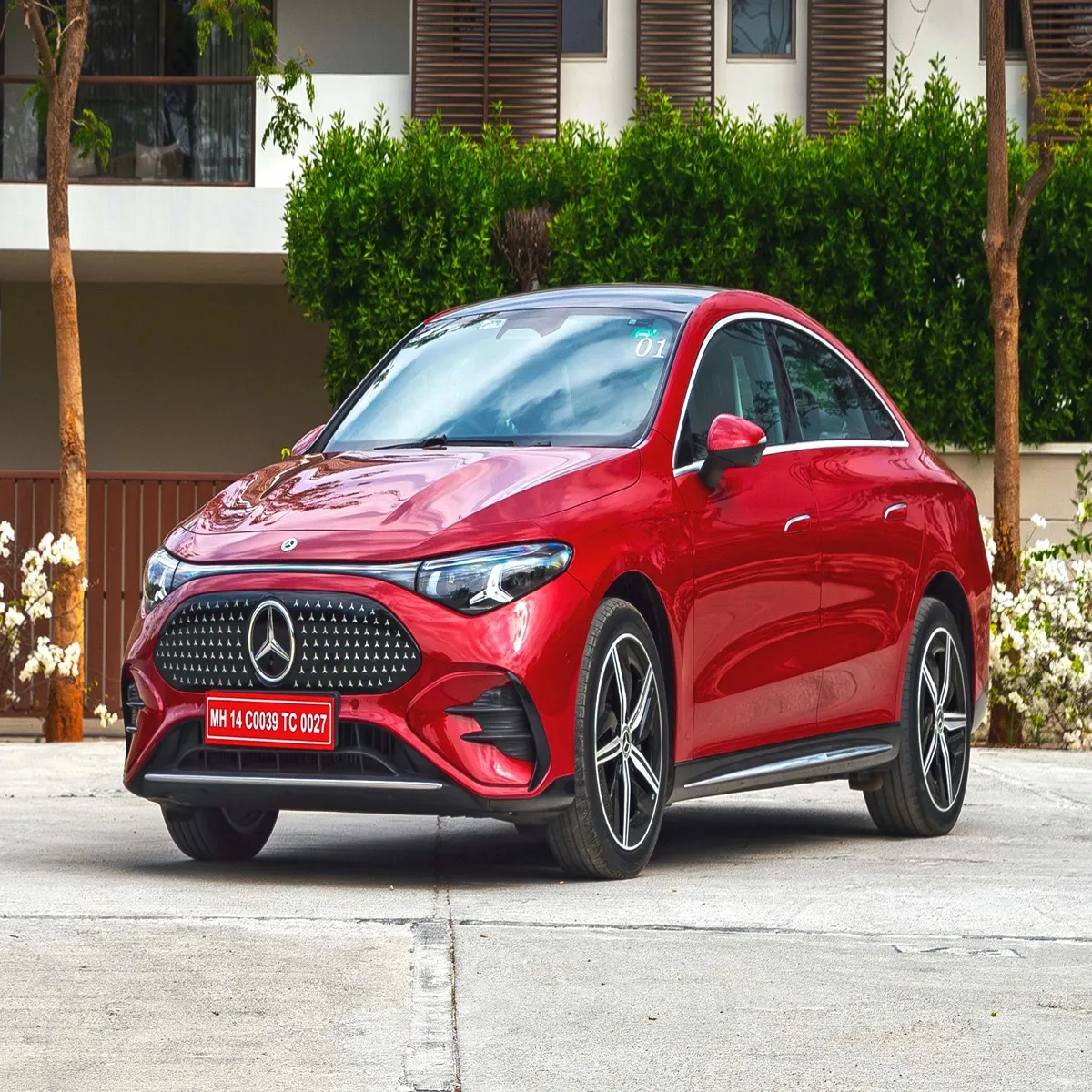
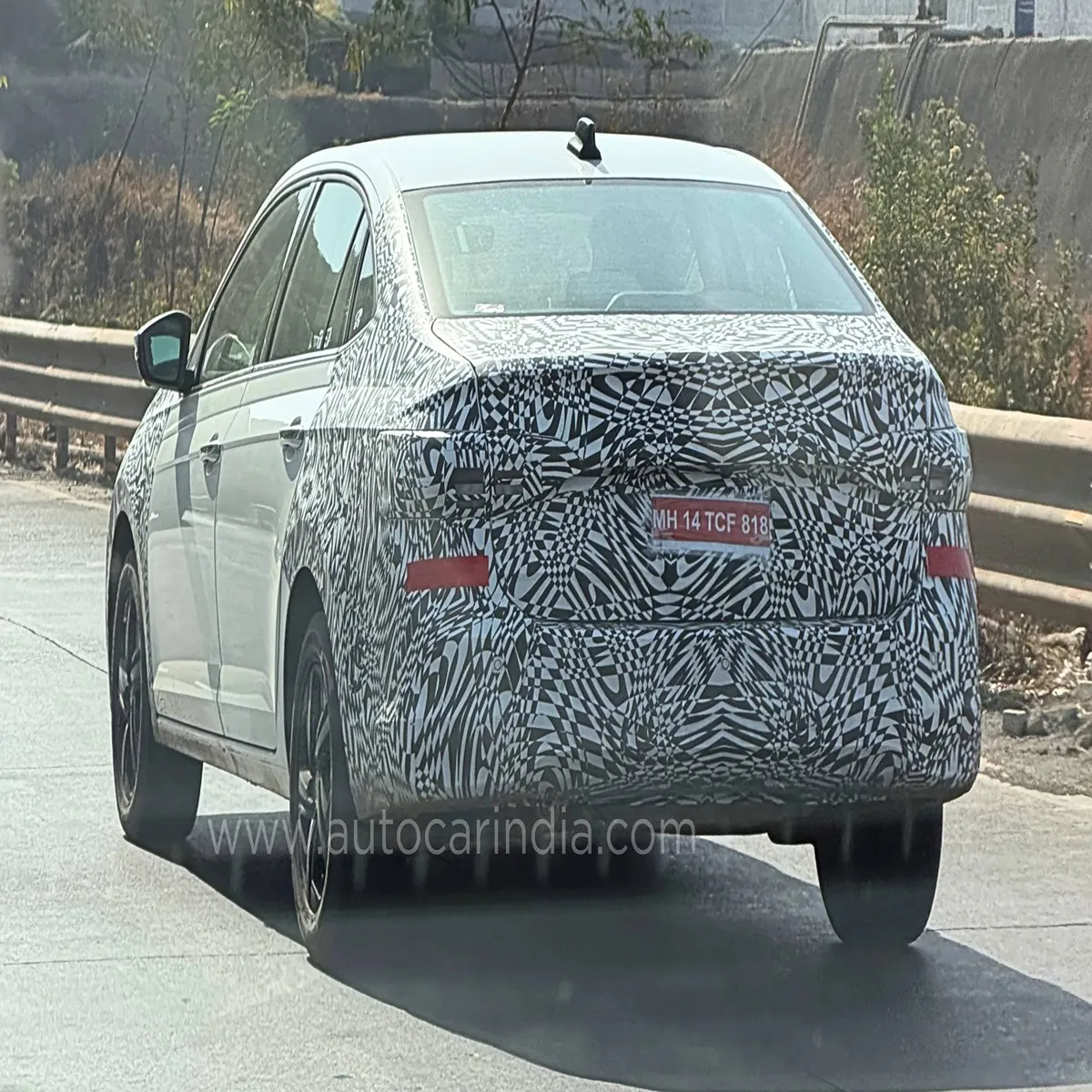
At the same time, the broader industry has been under increased public and regulatory scrutiny following multiple accidents involving electric vehicles. This scrutiny has not been limited to Xiaomi alone but has also extended to established players such as Tesla and BYD. Against this backdrop, Xiaomi’s renewed emphasis on safety represents a calculated attempt to align with shifting consumer sentiment.
Features and Technology of the New-Generation SU7
The new-generation SU7 is scheduled to enter the market in April and brings several notable upgrades. One of the most significant additions is lidar-based remote sensing technology, which will now be offered as a standard feature. This technology is expected to enhance driver assistance capabilities, improve obstacle detection, and support more advanced safety systems.
Another key highlight is the extended driving range. According to statements shared by Xiaomi’s chief executive, Lei Jun, the upgraded SU7 can deliver a range of up to 902 kilometers on a single charge. This represents a substantial improvement and places the vehicle among the more competitive options in terms of long-distance usability, a factor that continues to influence buyer decisions in the electric vehicle market.
Pricing Strategy and Competitive Positioning
From a pricing perspective, Xiaomi appears to be walking a careful line between premium upgrades and affordability. Pre-sales for the new SU7 begin at 229,900 yuan, reflecting a moderate increase over the inaugural version introduced in early 2024. Despite this rise, the model remains priced slightly below comparable offerings such as Tesla’s Model 3, reinforcing Xiaomi’s value-driven positioning.
This approach suggests that Xiaomi is aiming to attract buyers who seek advanced technology and extended range without crossing into higher luxury price brackets. By keeping the price competitive, the company hopes to convert curiosity into confirmed orders and maintain relevance in a crowded marketplace.
Shifting the Narrative Toward Safety
Unlike earlier promotional campaigns that highlighted performance and speed, Xiaomi has clearly adjusted its messaging. Safety has now been placed at the center of communication around the SU7. Lei Jun has publicly emphasized that safety forms the foundation of any successful electric vehicle, signaling a deliberate shift in tone.
This change is particularly significant given the criticism Xiaomi has faced following two fatal accidents involving its electric vehicles last year. While investigations into these incidents are ongoing, public discourse has placed pressure on the company to demonstrate accountability and transparency. By prioritizing safety features and openly addressing concerns, Xiaomi appears intent on rebuilding confidence among consumers and regulators alike.
Sales Performance and Growth Ambitions
Since its launch, the SU7 has recorded impressive cumulative sales, exceeding 360,000 units, with average monthly sales of around 17,000 vehicles. However, recent data indicates a downward trend in sales since August, with the model being outsold in certain months by competitors such as Tesla’s Model 3.
Despite these challenges, Xiaomi remains ambitious. The company has set an electric vehicle sales target of 550,000 units for the current year, following total EV sales of over 410,000 units in 2025. Alongside the SU7, Xiaomi also markets the YU7 SUV, which plays a supporting role in achieving these volume goals.
Brand Image, Public Response, and Future Outlook
Xiaomi’s journey from consumer electronics to electric vehicles has been fueled by a loyal fan base and strong personal branding around Lei Jun, widely regarded as one of China’s most successful entrepreneurs. However, recent controversies, including criticism of public relations efforts and questions around product claims, have tested the company’s reputation.
In response, Xiaomi has taken steps to address communication missteps, including a public apology from its communications leadership. While the company has not commented extensively on every criticism, its actions suggest an awareness that long-term success in the electric vehicle industry depends not only on technology and pricing but also on trust and credibility.
Looking ahead, the upgraded SU7 represents more than just a product refresh. It reflects Xiaomi’s broader effort to mature as an electric vehicle manufacturer, balance innovation with responsibility, and compete sustainably in one of the world’s most demanding automotive markets.