Business: Precious Metals Close a Historic Year with Extreme Price Swings
Business: Gold and silver concluded the year with dramatic price movements, marking one of the most remarkable periods for precious metals in modern financial history. Throughout the year, both metals experienced strong upward momentum, fueled by global economic uncertainty, shifting monetary policies, and heightened investor demand. By the final days of the year, gold and silver prices remained near record levels despite visible corrections, reflecting a market that is both optimistic and cautious as it heads into the next phase.
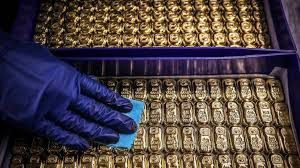
Record-Breaking Performance of Gold
Gold delivered an exceptional performance, rising more than sixty percent over the course of the year. Prices climbed to an unprecedented peak above 4,500 dollars per ounce before retreating slightly toward year-end. Even after this pullback, gold closed the year at levels far higher than where it began, underscoring its strength as a long-term investment asset.
This impressive rally was largely driven by expectations of monetary easing. Investors increasingly priced in future interest rate reductions, which typically benefit non-yielding assets like gold. Lower interest rates reduce the opportunity cost of holding gold, making it more attractive compared to interest-bearing instruments.

Silver Follows with Sharp Volatility
Silver mirrored gold’s strong upward trend but displayed even greater volatility. Prices surged to an all-time high above 80 dollars per ounce before easing back to the low 70s. While silver often benefits from the same macroeconomic factors as gold, it is also heavily influenced by industrial demand, which can amplify price fluctuations.
The dual role of silver as both a precious metal and an industrial input makes it particularly sensitive to changes in global manufacturing activity, supply constraints, and trade policies. These dynamics played a significant role in shaping silver’s price behavior throughout the year.
Role of Monetary Policy Expectations
One of the most influential factors behind the rally in precious metals was the widespread belief that major central banks, especially in the United States, would continue cutting interest rates in the coming years. Such expectations tend to weaken currencies and support hard assets, encouraging investors to allocate more capital to gold and silver.
In addition, persistent concerns about inflation strengthened the appeal of precious metals as a hedge against declining purchasing power. For many investors, gold and silver offered a sense of stability in an environment marked by policy uncertainty.
Impact of Global Economic and Political Tensions
Global geopolitical tensions and uneven economic growth further boosted demand for safe haven assets. Investors sought protection from volatile equity markets, rising government debt levels, and trade-related uncertainties. These conditions encouraged a steady flow of funds into precious metals, reinforcing their upward trajectory.
At the same time, fears surrounding speculative excesses in emerging technologies added to investor caution. This environment favored assets with a long-standing reputation for preserving value during turbulent periods.
Central Bank Buying Supports Prices
Another key driver was the aggressive accumulation of gold by central banks worldwide. Throughout the year, central monetary authorities added substantial quantities of gold to their reserves. This trend not only reduced available supply in the open market but also sent a strong signal of confidence in gold’s role as a strategic reserve asset.
Such institutional demand provided a solid foundation for prices, helping to absorb market corrections and maintain overall bullish sentiment.
Supply Constraints and Industrial Demand for Silver
Silver prices received additional support from supply-side pressures. Restrictions on exports from major producing countries tightened global availability, while demand from industries such as electronics, renewable energy, and manufacturing remained robust. These factors combined to create a supply-demand imbalance that pushed prices higher.
Industrial reliance on silver means that any disruption in supply can have immediate price implications, contributing to sharp rallies followed by corrective phases.
Investment Flows and Market Risks Ahead
Significant investment inflows also shaped the precious metals market. Products such as exchange traded funds allowed investors to gain exposure to gold and silver without holding physical bullion, making participation easier and more liquid. However, this accessibility also increases the risk of rapid sell-offs during periods of market stress.
Looking ahead, analysts caution that the sharp gains achieved this year could make gold and silver vulnerable to corrections. If broader financial markets face liquidity pressures, investors may sell assets that have already delivered strong returns. Despite this risk, the long-term outlook remains constructive, with expectations of continued gains at a more measured pace.
Outlook for the Coming Year
While gold and silver may not replicate the extraordinary momentum seen this year, underlying fundamentals continue to support their appeal. Stable demand, ongoing economic uncertainty, and cautious monetary policy suggest that precious metals will remain an important component of diversified investment strategies. However, investors should be prepared for continued volatility as markets adjust to evolving global conditions.