Gold – Record Gains Face Slower Momentum in 2026
Gold – Gold and silver entered 2026 after delivering some of the most remarkable returns seen in global commodity markets in recent years.
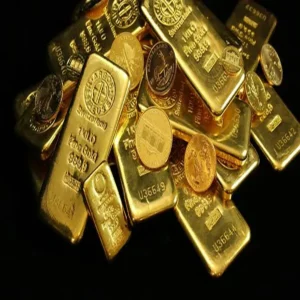
Gold emerged as one of 2025’s strongest-performing assets, climbing 72 percent over the year. The rally was fueled largely by aggressive purchases from central banks and a steady decline in real yields, which increased the appeal of holding non-interest-bearing assets. Silver outpaced even that performance, soaring 122 percent amid tightening global supply and surging industrial consumption.
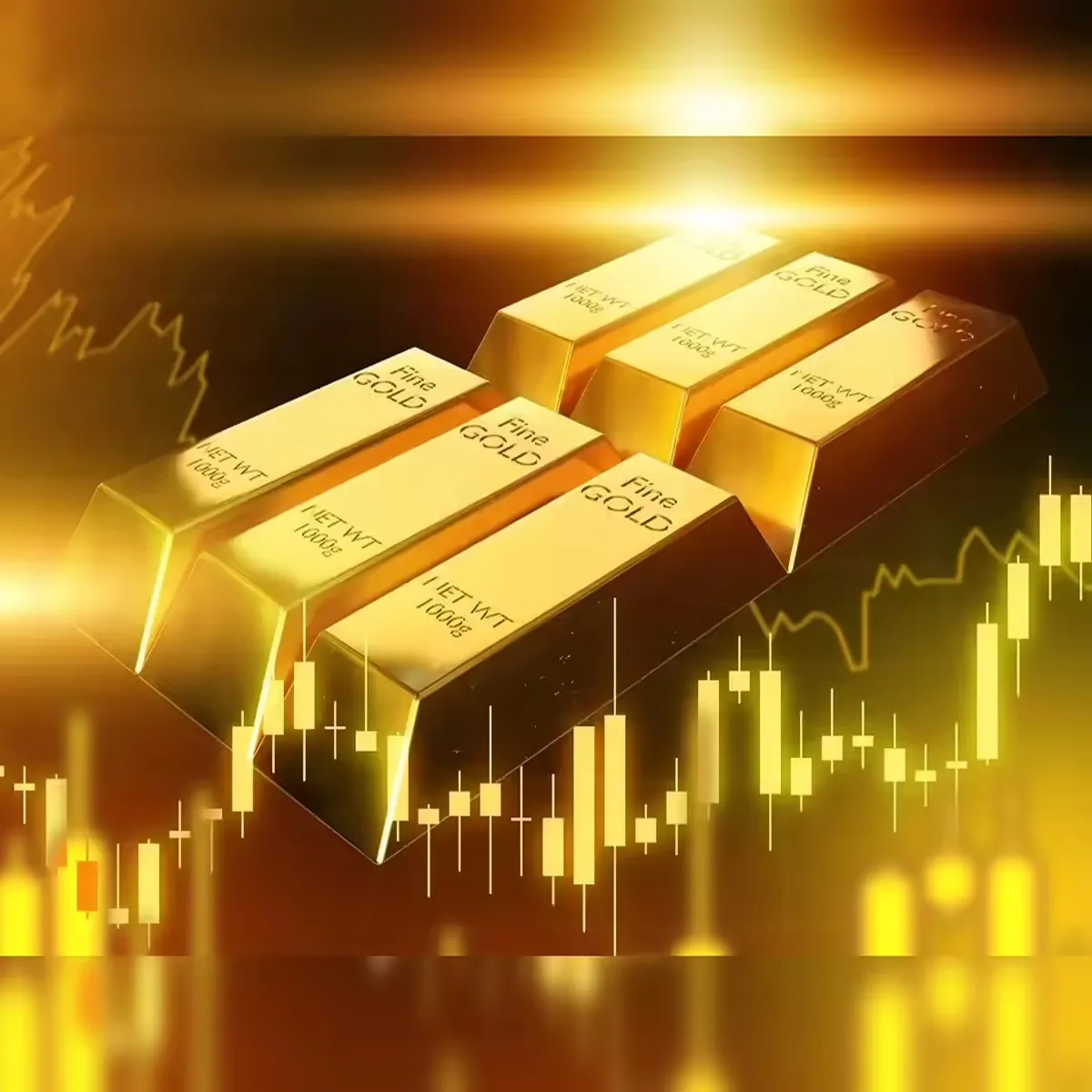

For many market participants, the scale of the rally was striking. Precious metals outperformed most major asset classes, drawing renewed attention from institutional and retail investors alike. As the new year unfolds, the focus has shifted to whether that momentum can continue.
Outlook Suggests Stability Over Spectacle
According to the Global Economic Outlook 2026 report released by 1 Finance, the broader environment that supported last year’s surge remains in place. However, the pace of appreciation is expected to moderate.
The report presents a measured assessment. While structural drivers for both metals are intact, the dramatic acceleration witnessed in 2025 is unlikely to be repeated at the same scale over the next twelve months.
Central Bank Demand Keeps Gold Supported
Gold’s strong performance last year was not accidental. Central banks collectively purchased 863 metric tonnes in 2025, marking one of the most substantial annual buying totals on record. Persistent geopolitical tensions and softer real yields further strengthened gold’s position as a hedge against uncertainty.
Those underlying factors have not disappeared in early 2026. Elevated geopolitical risks continue to influence global markets, and gold retains its reputation as a store of value during periods of instability.
Even so, the report indicates that this year may bring consolidation rather than another steep rally. With global interest rate reductions slowing and the US dollar expected to remain relatively firm, the tailwinds that propelled gold sharply higher may lose some intensity. Instead of fresh record-breaking gains, gold prices may stabilize while maintaining much of last year’s progress.
Silver Faces Tight Supply but Cooling Momentum
Silver’s exceptional surge in 2025 was driven by a different dynamic. The metal has been experiencing a supply deficit for five consecutive years. At the same time, demand from industrial sectors has expanded rapidly, particularly in solar energy, electronics, and manufacturing.
The 1 Finance report suggests that 2026 could witness the widest supply shortfall in over a decade. Such conditions provide fundamental support for silver prices, creating a relatively firm base even if short-term volatility increases.
However, after advancing more than 120 percent in a single year, a period of consolidation would not be unusual. Analysts describe the outlook as steady rather than explosive. The long-term industrial demand story remains strong, especially with renewable energy expansion, but the extraordinary pace of last year’s gains is unlikely to be matched.
Investors Urged to Adjust Strategy
Animesh Hardia, Senior Vice President of Quantitative Research at 1 Finance, emphasized that investors must adapt to a changing macroeconomic environment.
“2025 rewarded people who chased narratives. 2026 is a different game. Rate cuts are slowing, geopolitical risks are recurring rather than one-off, and India is at an inflexion point. The investors who do well this year will be the ones who understand which macro phase we are in and position accordingly,” he said.
His assessment underlines a broader shift in market psychology. The strong forces supporting precious metals have not vanished, but the investment landscape now demands discipline rather than momentum-driven decisions.
A Year of Consolidation Ahead
Both gold and silver enter 2026 with strong structural foundations. Silver’s tightening supply and industrial demand offer long-term support, while gold continues to benefit from central bank buying and geopolitical uncertainty.
Yet, expectations have tempered. Instead of another year marked by dramatic price spikes, analysts foresee a phase defined by stability and measured movement.
For investors, the challenge may not be identifying the next surge, but understanding how precious metals behave when markets transition from enthusiasm to caution. After an extraordinary year, 2026 appears set to reward strategy, patience, and a clear reading of global economic signals.