AIApps – Smartphones Move Toward Personalized AI-Driven App Creation Era
AIApps – Smartphones have long become essential tools for everyday life, helping people communicate, work, manage tasks, and enjoy entertainment. Despite rapid improvements in hardware and performance, the way apps function on these devices has largely remained unchanged for years. Now, advances in artificial intelligence are beginning to influence not only how people use apps but also how they might create or customize them in the near future.

Samsung Explores the Idea of User-Driven App Customization
Technology company Samsung has recently suggested a new concept that could allow smartphone users to personalize applications more deeply. The company refers to this idea as “vibe coding,” a concept that is still under early exploration.
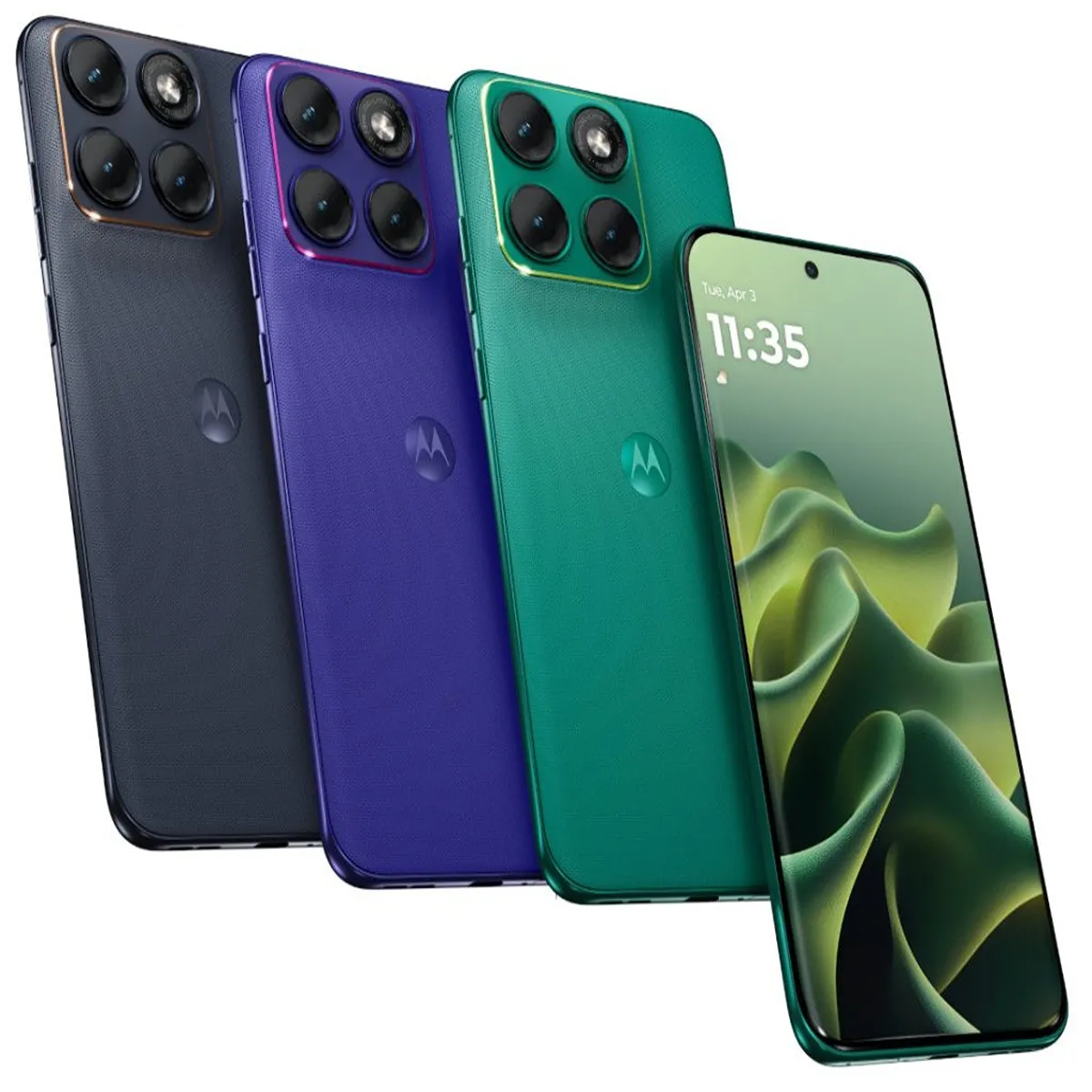
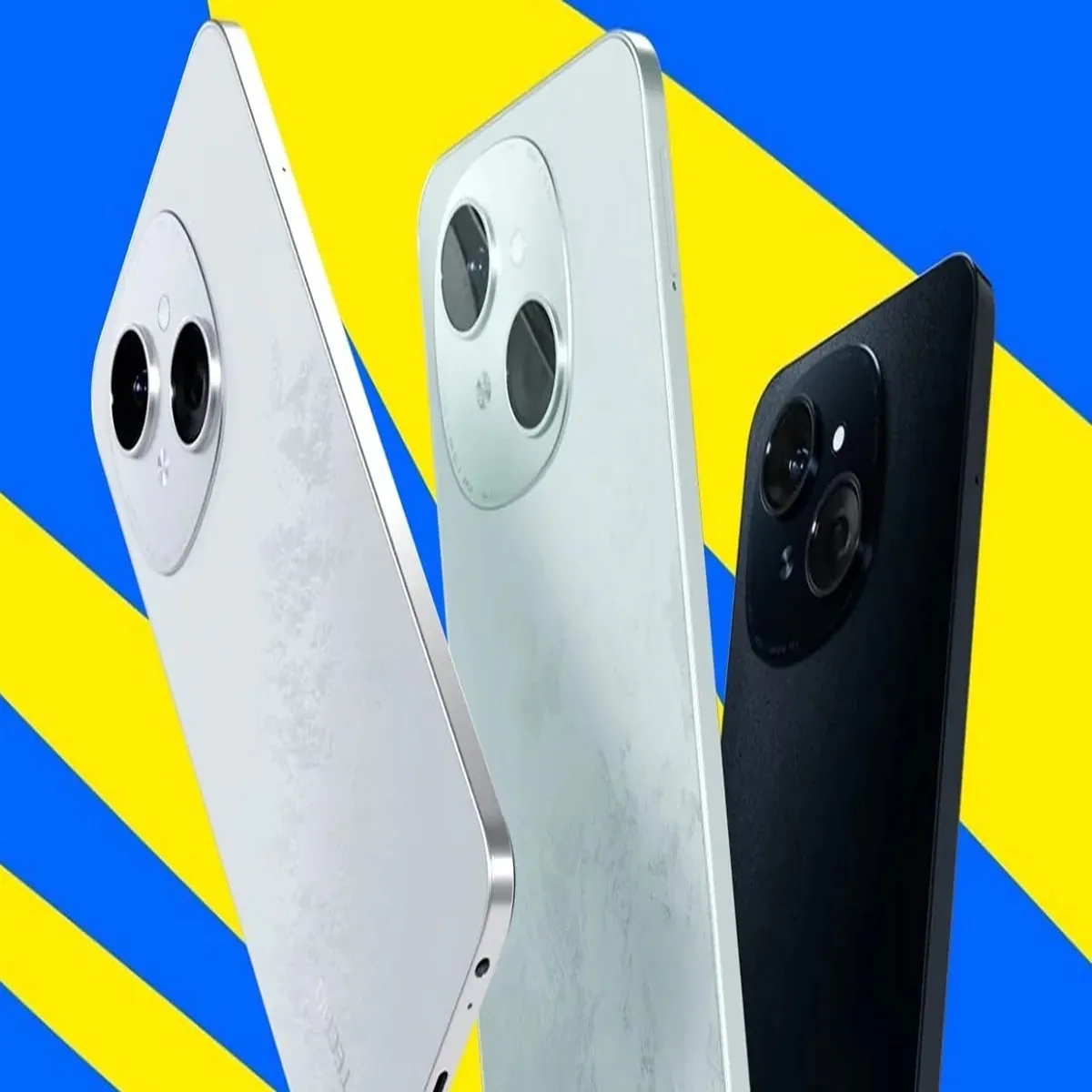
In a conversation with technology publication TechRadar, Samsung confirmed that it is examining the possibility of enabling users to modify existing applications or develop small custom features suited to their personal needs. Won-Joon Choi, who leads Samsung’s Mobile eXperience division, explained that current smartphones mainly rely on pre-built tools and fixed app structures.
According to Choi, future systems could allow users to adjust the functionality of apps they already use or create simple features tailored to their everyday routines. The concept could eventually enable people to reshape how certain applications behave on their phones without requiring advanced technical knowledge.
Early Concept Without Active Testing
At present, Samsung has not begun testing vibe coding within its One UI software environment. However, the idea highlights the company’s interest in expanding user control over the smartphone experience.
Samsung’s Android-based interface has gradually evolved over the years with additional features designed to enhance usability while keeping the system accessible. The potential introduction of vibe coding could represent the next stage of this strategy by allowing deeper levels of customization directly within apps.
If developed successfully, the feature could shift smartphones away from fixed app experiences toward systems where users can shape how applications work for their personal needs.
AI Platforms Already Enabling Simple App Creation
While Samsung’s concept remains under discussion, artificial intelligence is already being used by some technology startups to simplify app customization and development.
One such example is the platform Playground, introduced by the startup Nothing in September 2025. The system allows users to build small digital tools and widgets using simple text instructions rather than traditional programming methods.
Through Playground, users can create features such as travel tracking tools, meeting summaries, or even small interactive digital companions. Individuals with coding knowledge can also access and modify the underlying code to expand the functionality further.
However, the platform currently focuses on smaller utilities rather than fully developed applications, indicating that the technology is still evolving.
AI Coding Tools Becoming More Accessible
Beyond smartphone platforms, several technology companies are developing artificial intelligence tools designed to assist with coding and software development.
Tools such as Codex from OpenAI and Claude Agent from Anthropic are designed to help developers — and even individuals without formal programming experience — create applications more quickly. These AI systems can generate working code based on user instructions, reducing the time required to build software.
In one reported example, a journalist from 9To5Mac described how Codex generated a functional Mac application within about fifteen minutes to solve a specific productivity task. Although these tools are still largely used by developers and technology enthusiasts, they demonstrate how artificial intelligence could simplify software creation in the future.
A Potential Shift in the Smartphone Ecosystem
These developments point toward a possible shift in how smartphones and applications may function in the coming years. Instead of relying entirely on apps created by developers, users may gain the ability to build, modify, or customize digital tools that better match their personal needs.
For technology companies, the key challenge will be designing these capabilities in a way that remains easy to use. Ensuring that powerful customization tools remain intuitive and secure will be essential if such systems are to reach everyday smartphone users.
If implemented carefully, concepts like vibe coding and AI-assisted development could redefine how people interact with their devices, transforming smartphones into platforms where users can shape their own digital experiences.