Apple’s Latest: Slow Adoption of iOS 26 Raises Questions About Design Direction
Apple’s Latest: Apple introduced its next-generation mobile operating system with high expectations, promising a fresh visual experience and deeper customization. However, months after its global rollout, iOS 26 has struggled to gain traction among iPhone users. Despite being packed with new design elements and features, adoption figures suggest that users are hesitant to upgrade, making this one of the slowest iOS transitions in recent years.
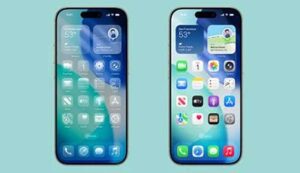
Apple first revealed iOS 26 during its annual developer conference in June 2025, positioning it as a major visual overhaul. The update was officially released worldwide in September 2025, shortly after the launch of the iPhone 17 lineup, which shipped with the new operating system preinstalled. While the announcement generated excitement, the response after release has been far more cautious.
Early Adoption Data Shows a Decline
Independent usage data from StatCounter indicates that only a small fraction of iPhone users have moved to iOS 26 even several months after its availability. According to the data, nearly four months after release, only around 15 percent of iPhone users were running some version of iOS 26. This figure is significantly lower when compared to earlier operating system versions during similar post-launch periods.

For perspective, by January 2025, roughly 63 percent of iPhone users had already upgraded to iOS 18. Going further back, adoption rates for iOS 17 and iOS 16 stood at approximately 54 percent and 62 percent respectively within comparable timelines. These numbers highlight a clear deviation from the usual rapid acceptance seen with previous Apple software updates.
Liquid Glass Design and Usability Concerns
Industry observers believe that the new Liquid Glass interface design may be a key factor behind the slow uptake. The design introduces increased transparency across menus, widgets, and notifications, aiming to deliver a sleek and modern appearance. However, many users reported that this visual approach affected readability, especially in bright conditions or on complex backgrounds.
Soon after the release, social media platforms and user forums were filled with complaints related to text clarity, notification visibility, and overall usability. For many users, these issues outweighed the benefits of upgrading, particularly for those who rely heavily on their devices for productivity and accessibility.
Limited Upgrade Incentive for Older Devices
Another contributing factor could be the hardware divide. The iPhone 17 series launched with iOS 26 already installed, meaning that adoption data largely reflects users with older devices who had to manually choose to upgrade. It remains unclear whether usage statistics fully include new iPhone 17 owners, which may further distort the perceived adoption rate.
Users of older iPhone models are often more cautious about major updates due to concerns about performance, battery life, and compatibility. With reports of bugs and interface challenges surfacing early, many users appear to have delayed or avoided the upgrade altogether.
Apple’s Response Through Incremental Updates
In response to user feedback, Apple began refining iOS 26 through subsequent updates. In November 2025, the company released iOS 26.1, introducing new customization options designed to address visibility issues. This update allowed users to switch between a clear look and a tinted look, giving them greater control over interface opacity.
Apple explained that this feature was intended to improve readability by increasing contrast in apps and lock screen notifications. While the update was seen as a step in the right direction, it was largely viewed as a temporary fix rather than a complete solution.
Continued Refinements in Later Versions
Building on this feedback-driven approach, Apple followed up with iOS 26.2 a month later. This update added more granular controls, including the ability to adjust the opacity of the clock widget on the lock screen. These refinements showed that Apple was actively listening to user concerns and working to improve the overall experience.
Despite these improvements, adoption rates have not yet shown a dramatic increase. This suggests that regaining user confidence may take more time, especially for an update that introduced such a noticeable change in visual identity.
What This Means for Apple Going Forward
The slow adoption of iOS 26 represents an important moment for Apple. It highlights the balance the company must maintain between innovation and usability. While bold design changes can refresh a platform, they also carry the risk of alienating users who value familiarity and clarity.
As Apple continues to refine iOS 26, future updates may help improve adoption figures. However, this situation serves as a reminder that even established ecosystems are sensitive to user experience decisions. How Apple addresses these concerns in upcoming versions will likely shape user trust and upgrade behavior in the years ahead.