Larian: Studios Clarifies Its Position on Generative AI in Game Development
Larian: The discussion around generative AI in video game development has intensified in recent years, and Larian Studios has now found itself at the center of this debate. Following comments made by CEO and creative director Sven Vincke, the studio faced criticism from parts of its player base regarding the use of generative AI tools. While the backlash was swift, Larian has since clarified its stance, emphasizing that human creativity remains at the core of its development philosophy.
Larian Studios, best known for the massive success of Baldur’s Gate 3, has built a reputation for deep storytelling, complex role-playing systems, and strong artistic direction. The studio’s comments about AI were not meant to signal a shift away from these values, but rather to explain how modern tools are cautiously explored within an otherwise human-driven workflow.
Background of the Generative AI Discussion
The controversy began after an interview with Bloomberg, where Sven Vincke discussed Larian’s internal workflows and future projects. During the conversation, he acknowledged that the studio has experimented with generative AI tools. These remarks quickly spread across social media and gaming forums, leading some players to fear that AI-generated content might replace human artists, writers, or voice actors in future titles.


Vincke explained that Larian has been open to experimenting with new technologies, including AI, but not with the intention of reducing staff or automating creativity. According to him, the use of such tools has not resulted in a major increase in efficiency, nor has it altered the studio’s creative standards.
Clarification on Divinity and Future Projects
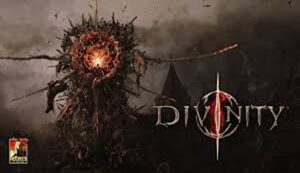
One of the most important clarifications concerned Larian’s upcoming game, Divinity, which was officially revealed at The Game Awards 2025. Vincke made it clear that this project will not include AI-generated content. All writing, performances, and artistic elements will be created by human professionals.
He stated that every character, dialogue line, and visual asset in Divinity will be crafted by experienced writers, artists, and actors. This assurance was intended to calm concerns that Larian might rely heavily on automation in its flagship franchises. The studio wants players to know that its future titles will continue to reflect a distinctly human creative voice.
How Larian Uses AI Tools Internally
Following the backlash, Vincke addressed fans directly on social media to clarify misconceptions. He stressed that Larian is not replacing concept artists or pushing AI as a core production tool. In fact, the studio employs over 70 artists, including more than 20 dedicated concept artists, and continues to hire additional creative talent.
According to Vincke, AI tools are used in limited and experimental ways. Artists may use them during very early ideation phases to explore references, test compositions, or generate rough placeholders. These outputs are never final and are always replaced by original artwork created by the studio’s team. In this sense, AI is treated similarly to search engines, reference books, or mood boards rather than a creative authority.
Industry-Wide Concerns About Generative AI
The situation at Larian reflects a much larger debate within the gaming industry. Many studios are exploring generative AI as a way to reduce costs, speed up development, or automate repetitive tasks. However, these efforts often meet resistance from players and creative professionals alike.
Recent AAA releases have faced criticism for incorporating AI-generated artwork or voice lines, which some fans describe as lacking authenticity. Platforms like Steam now require developers to disclose how generative AI is used in their games, giving consumers more transparency and choice.
At the same time, voice actors and creative workers have pushed for stronger protections. Unions such as SAG-AFTRA have negotiated agreements with game studios to ensure that AI does not undermine performers’ rights or replace human labor without consent.
Perspectives from Industry Leaders
Other major publishers have also weighed in on the limitations of generative AI. Take-Two Interactive CEO Strauss Zelnick has publicly expressed skepticism about AI’s ability to produce high-quality creative work. He argued that even with advanced technology, AI-generated content often feels derivative and lacks originality.
This perspective aligns with Larian’s own position. While AI can assist with exploration and experimentation, it cannot replicate the depth, emotion, and intentional design that define memorable games.
A Human-Centered Creative Philosophy
Ultimately, Larian Studios maintains that technology should support creativity, not replace it. The studio’s leadership has emphasized that artists and developers are hired for their talent, imagination, and storytelling ability. AI tools, when used, are optional aids meant to make certain tasks easier, not to dictate creative outcomes.
By addressing the backlash openly, Larian has reinforced its commitment to transparency and artistic integrity. For players who value handcrafted worlds and meaningful narratives, the studio’s response serves as reassurance that human creativity will remain at the heart of its games.