Finance – RBI Announces Record Dividend Transfer to Support Government Finances
Finance – The Reserve Bank of India has approved its highest-ever surplus transfer to the central government, providing significant fiscal support at a time when global economic conditions remain uncertain and geopolitical tensions continue to influence financial markets.
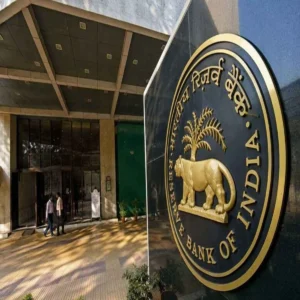
India’s central bank on Friday confirmed a record dividend payout of Rs 2.87 lakh crore to the Union government for the financial year 2025–26. The announcement marks the largest surplus transfer ever made by the Reserve Bank of India and is expected to strengthen the government’s fiscal position in the coming months.
Central Board Approves Historic Surplus Transfer
The decision was taken during the 623rd meeting of the RBI Central Board, which was chaired by Governor Sanjay Malhotra. Officials stated that the transfer reflects stronger earnings and higher income generated by the central bank during the financial year.
The latest payout has surpassed last year’s transfer of Rs 2.69 lakh crore made during FY 2024–25. That amount itself had represented a major increase compared to earlier years, highlighting the RBI’s growing contribution to government revenues through annual surplus distributions.
Before the latest announcement, the RBI had transferred Rs 2.1 lakh crore for FY 2023–24. In FY 2022–23, the dividend payout stood significantly lower at Rs 87,416 crore.
Growth in RBI Income Strengthens Financial Position
According to the central bank’s official statement, the RBI recorded a substantial rise in its income before allocating funds toward risk provisions and statutory reserves. Net income for FY 2025–26 reached Rs 3,95,972.10 crore, compared with Rs 3,13,455.77 crore reported in the previous financial year.
The central bank also reported notable expansion in its balance sheet. As of March 31, 2026, the RBI’s balance sheet size increased by 20.61 percent to Rs 91,97,121.08 crore. The rise reflects stronger asset growth and continued expansion in the institution’s financial operations over the year.
Financial experts generally view a larger balance sheet and higher surplus as indicators of improved earnings from the RBI’s operations, including returns from foreign exchange reserves, government securities, and liquidity management activities.
Major Support for Government Spending Plans
The record dividend is expected to provide the central government with additional fiscal flexibility at a time when global economic conditions remain challenging. Rising geopolitical tensions, fluctuations in crude oil prices, and concerns over international growth have increased pressure on government finances worldwide.
A larger surplus transfer from the RBI can help the government manage expenditure commitments more effectively without putting excessive pressure on borrowing levels. Economists believe the additional funds may support infrastructure spending, welfare programmes, and broader economic development initiatives planned for the current fiscal year.
The RBI dividend also serves as a major source of non-tax revenue for the government. Every year, the transfer amount is closely monitored by policymakers, economists, and market participants because of its direct impact on fiscal deficit calculations and budget planning.
Market Attention on Fiscal Management
The announcement is likely to draw attention from investors and financial markets as the government prepares future spending and borrowing strategies. Higher non-tax revenue can improve fiscal stability and potentially reduce the need for additional market borrowing.
The record transfer further underlines the RBI’s role not only as the country’s monetary authority but also as an important contributor to India’s overall financial management framework. Analysts say the larger surplus could provide policymakers with more room to respond to global economic volatility while maintaining domestic growth priorities.
With India continuing to navigate external economic risks alongside domestic development goals, the RBI’s latest dividend payout is expected to play a meaningful role in supporting fiscal planning during FY 2025–26